

What is bioelectronic magnetic-field wound therapy?
Bioelectronic medicine uses physical energy, rather than a new drug, to change how a biological process behaves. In wound care, magnetic-field wound therapy applies a low-intensity, precisely calibrated field to infected tissue. The field passes through dressings, without contact, and reaches bacteria hiding deep in the wound. It disrupts the bacterial cell wall and the biofilm structure that shields resistant strains, restoring the effectiveness of antimicrobials already in the treatment plan.
The problem: biofilms and antimicrobial resistance
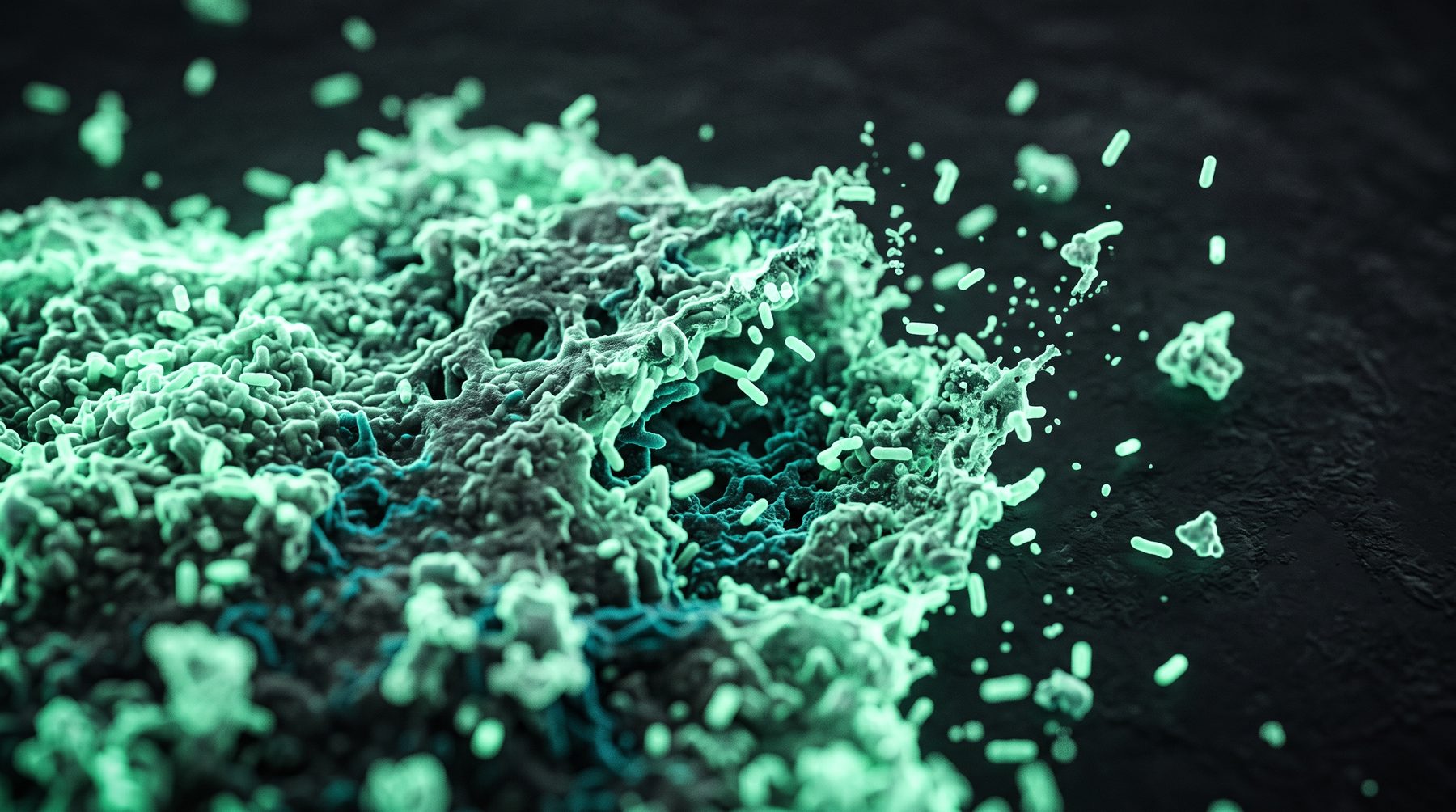
Bacterial biofilms are structured colonies that protect resistant bacteria from antiseptics and antibiotics. They form in the deep tissue pockets of chronic wounds, where topical treatment cannot reach. As antimicrobial resistance spreads, standard antibiotic regimens become progressively less effective against these protected colonies, leaving clinicians with fewer working options. This is the biofilm disruption technology gap that magnetic-field wound therapy is built to close.

How Azyro's magnetic field disrupts biofilm
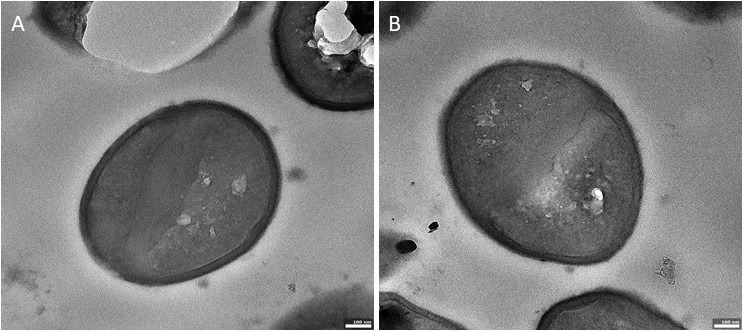
Azyro's magnetic field acts directly on the bacterial cell wall. Scanning electron microscopy (SEM) shows the morphological disruption this causes in MRSA (S. aureus): an intact, smooth cell wall before exposure, and a visibly disrupted structure after treatment. By breaking down this defence, the field exposes the bacteria to antiseptics and antibiotics that biofilm protection previously blocked.
Reaching deep tissue through dressings
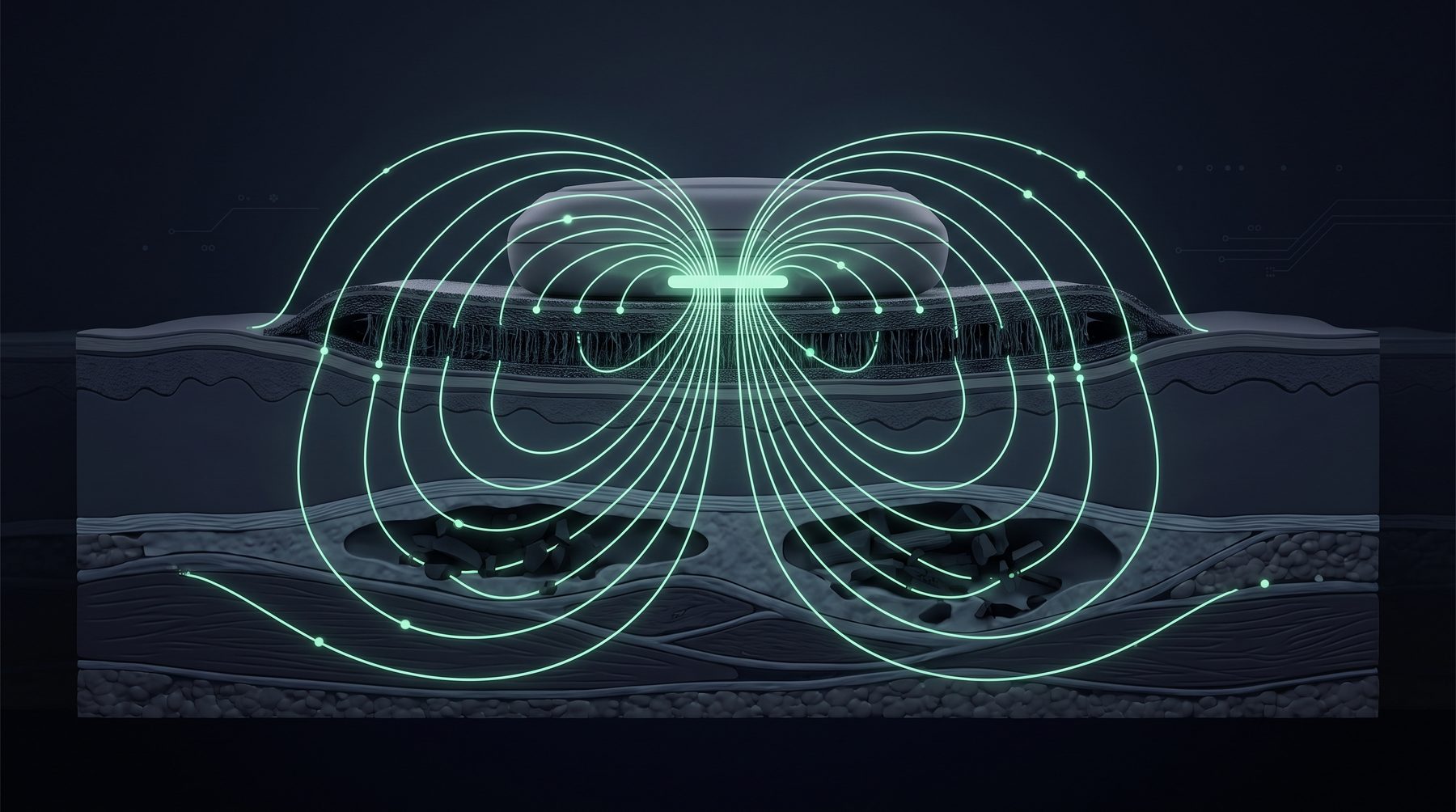
A key constraint in chronic infected wound treatment is reach: topical antiseptics cannot penetrate the deep pockets where biofilm-protected bacteria live, especially under a dressing. Azyro's magnetic field passes through the dressing without contact, reaching that same deep tissue. This is what separates magnetic-field wound therapy from topical antimicrobial approaches: the field, not a fluid or a gel, carries the treatment to the bacteria.
Potentiating antimicrobials below MIC
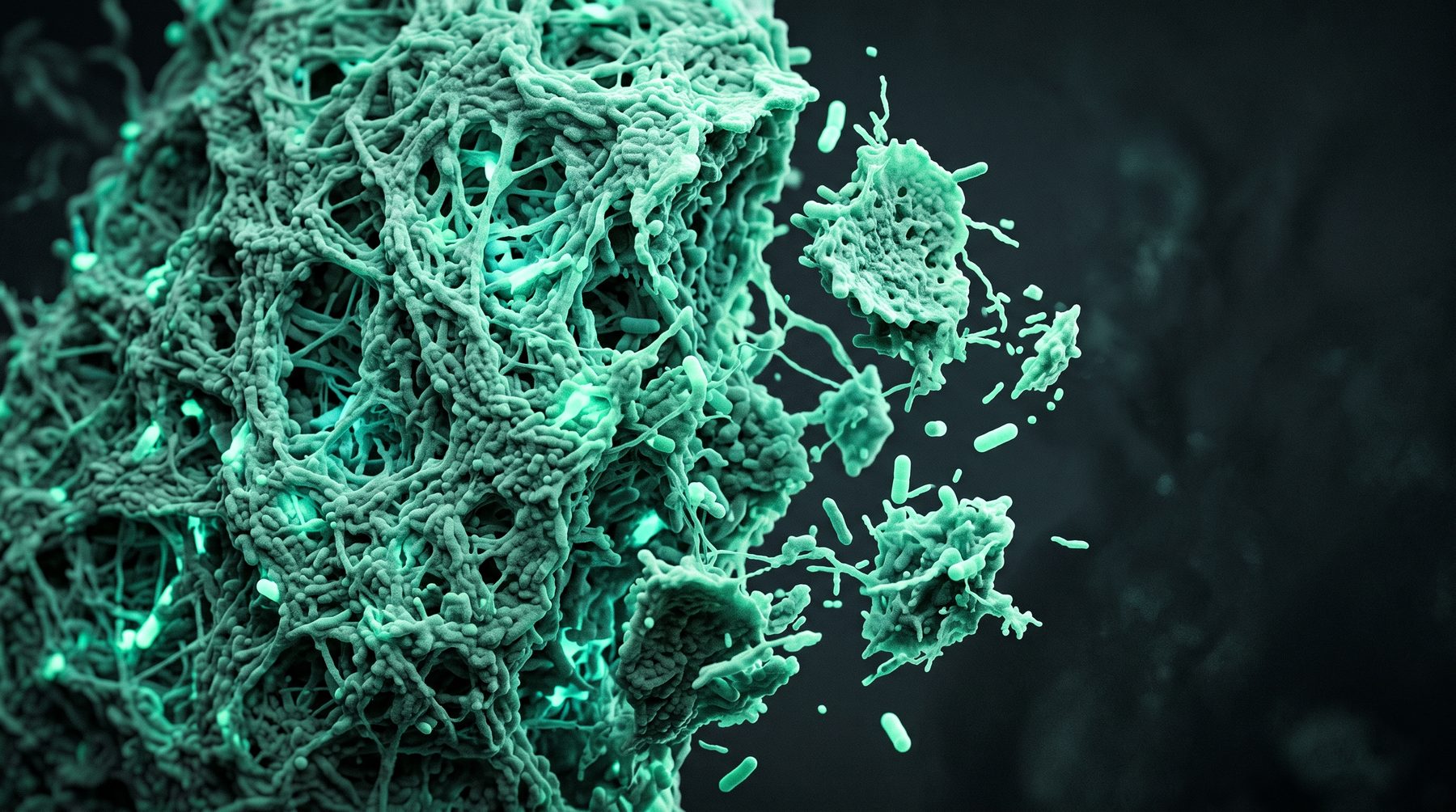
The minimum inhibitory concentration (MIC) is the lowest concentration of an antimicrobial that stops visible bacterial growth. Published research shows that antibiotics used alone at sub-MIC concentrations can, in some conditions, promote biofilm formation rather than resolve it. Azyro's claim is different and more specific: the magnetic field itself disrupts the biofilm and cell wall first, and in the tested model this allowed antimicrobials to remain effective at concentrations below the MIC. The mechanism, not the antimicrobial alone, does the work.
Preclinical evidence
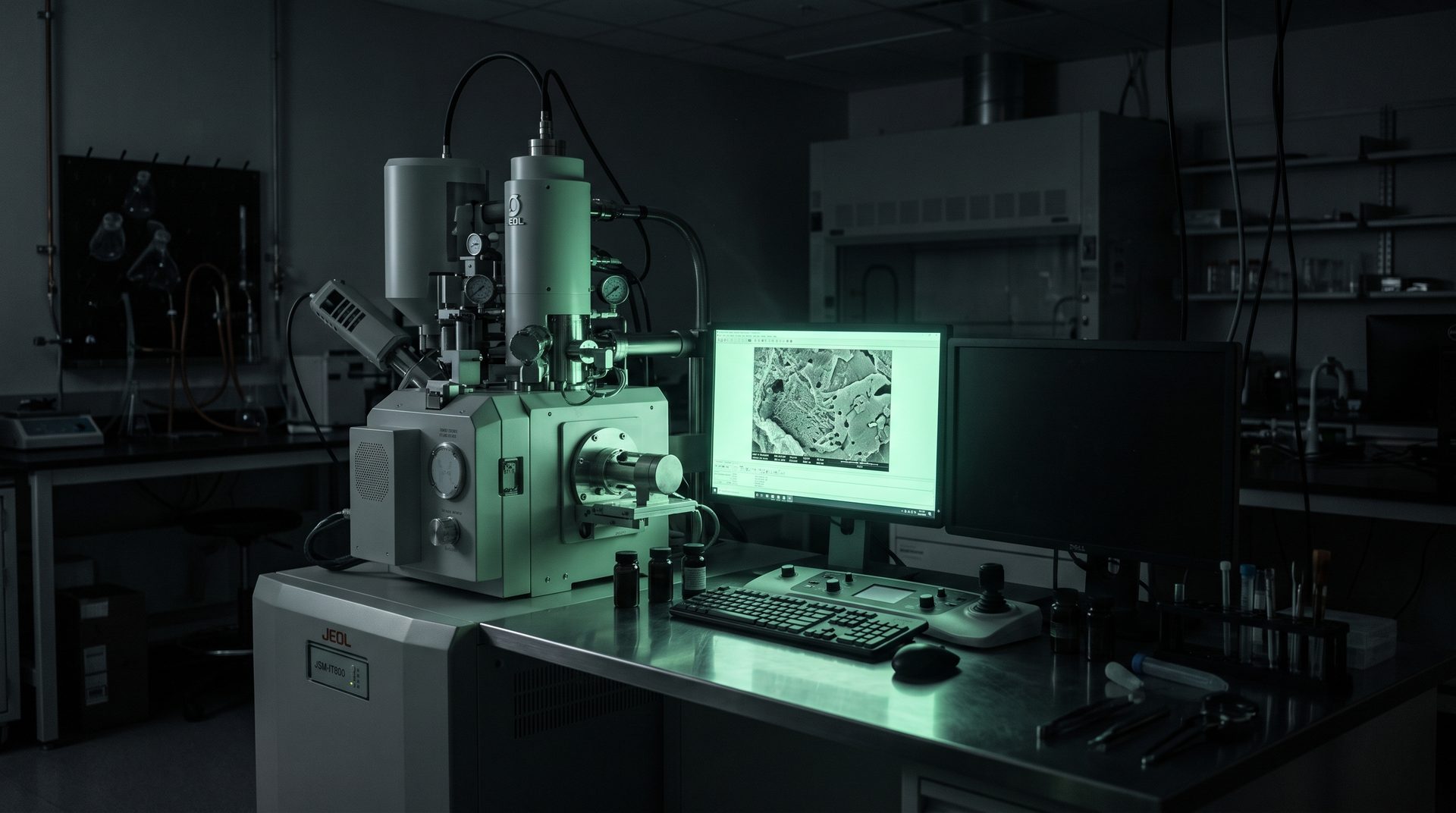
Azyro's preclinical programme has demonstrated cell wall disruption in MRSA (S. aureus) under scanning electron microscopy, confirming the mechanism at a structural level. Independent academic assessment from wound-care and antimicrobial-resistance researchers, including Prof. Axel Kramer (University Medicine Greifswald) and Prof. Adam Feliks Junka (Wrocław Medical University), has reviewed the preclinical results.
How magnetic-field wound therapy differs from PEMF
Pulsed electromagnetic field (PEMF) therapy is a related but distinct category, generally used to support tissue regeneration. Azyro's magnetic-field wound therapy has a different target and mechanism: it is engineered specifically for antimicrobial potentiation and biofilm disruption, not tissue regeneration. The two should not be conflated: a device built for tissue regeneration is not built for disrupting bacterial cell walls, and the reverse is equally true.
Certifications & IP
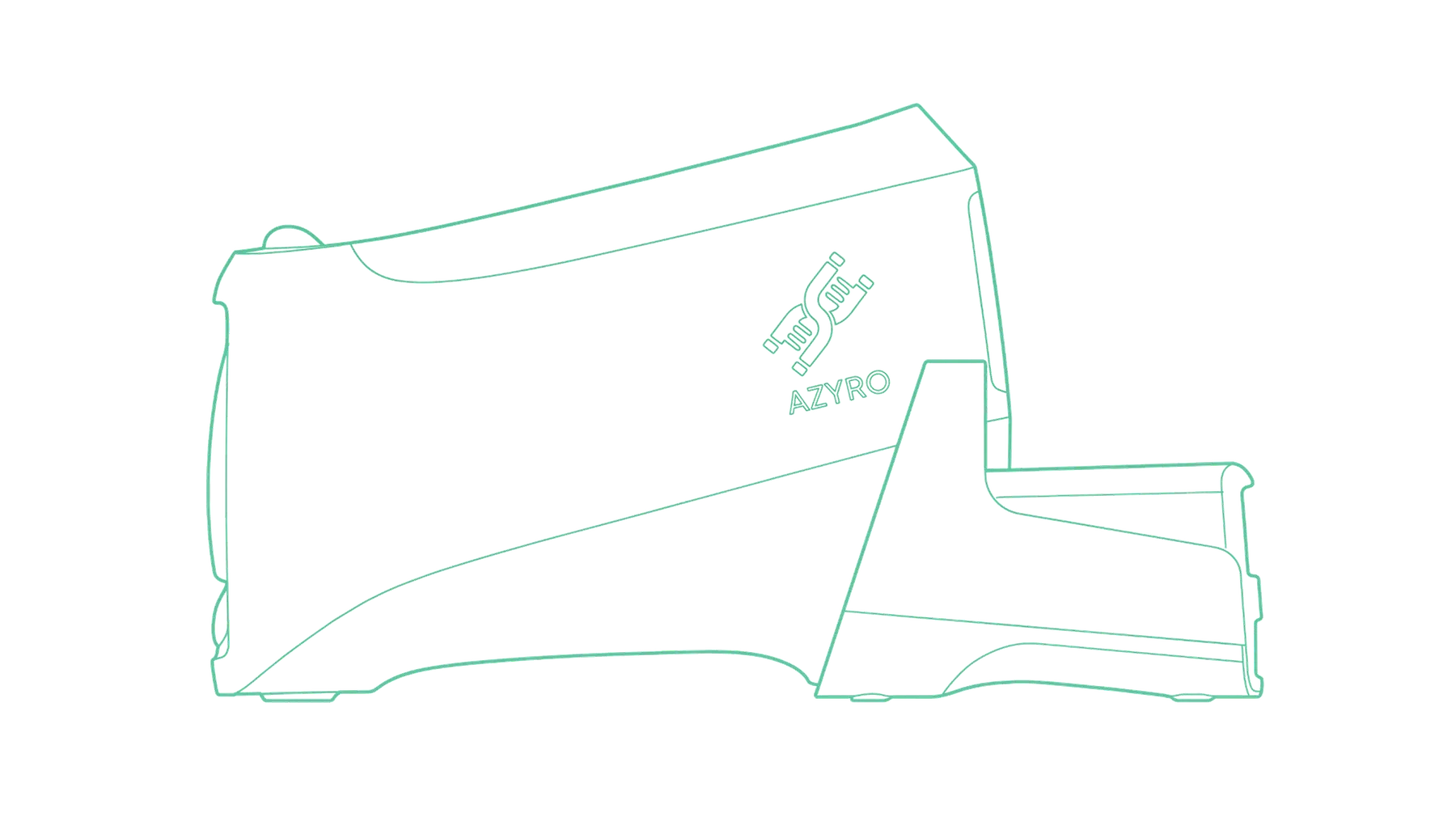
Azyro S.A. operates a quality management system certified to ISO 13485 by TÜV SÜD. The magnetic-field technology is protected under EP2025/068630 and EP4400155. All claims on this page are framed against Azyro's preclinical evidence; Azyro does not state or imply FDA or CE clearance.
Magnetic-field wound therapy: questions
What is bioelectronic medicine for wound care?
Bioelectronic medicine for wound care uses physical energy, such as a calibrated magnetic field, instead of a new drug to change how bacteria behave in a chronic wound. Azyro applies this approach to disrupt biofilms and restore the effectiveness of existing antiseptics and antibiotics.
How does a magnetic field disrupt bacterial biofilm?
A precisely controlled magnetic field acts on the bacterial cell wall, breaking down the structural defences that biofilms use to protect resistant bacteria. Preclinical SEM evidence confirms this morphological disruption in MRSA (S. aureus) after exposure to Azyro's magnetic field.
Can magnetic fields weaken resistant bacteria like MRSA?
Yes, preclinical scanning electron microscopy shows visible cell wall disruption in MRSA (S. aureus) following exposure to Azyro's magnetic field. This structural damage is what allows antimicrobials to reach and act on bacteria that biofilm protection previously shielded.
What does “potentiating antimicrobials below the MIC (sub-MIC)” mean?
It means antiseptics and antibiotics remain effective at concentrations below their usual effective threshold, because Azyro's magnetic field has already disrupted the biofilm and cell wall protecting the bacteria. This effect is demonstrated through preclinical evidence, not claimed as a standalone property of the antimicrobial.
Is magnetic-field wound therapy clinically proven?
Azyro's mechanism is currently supported by preclinical evidence, including SEM-confirmed cell wall disruption in MRSA (S. aureus). Azyro does not claim clinical or regulatory clearance beyond its current ISO 13485 certifications.
How does Azyro differ from PEMF therapy?
PEMF therapy is generally designed to support tissue regeneration, while Azyro's magnetic-field wound therapy targets biofilm disruption and antimicrobial potentiation. The two use related physical principles but are engineered for different clinical purposes.
Can magnetic-field wound therapy be combined with NPWT or debridement?
Yes, in principle. Magnetic-field wound therapy targets bacterial biofilm and cell walls, a different mechanism from the tissue-level effects of negative pressure wound therapy or debridement, so the approaches are not mutually exclusive. Combining them would depend on a clinician's judgement for a specific wound and care setting.
What further evidence is Azyro working to generate?
Azyro's current evidence is preclinical, centred on SEM-confirmed cell wall disruption in MRSA (S. aureus). Ongoing work is intended to extend this evidence to additional bacterial strains and wound types, building on the academic review already contributed by wound-care and antimicrobial-resistance researchers.
Where magnetic-field wound therapy fits in antimicrobial stewardship
Antimicrobial stewardship programmes are built around one goal: making existing antibiotics last longer by using them more precisely. Magnetic-field wound therapy supports that goal from a different angle than dose adjustment or drug selection. Rather than introducing a new antimicrobial agent, Azyro's mechanism targets the biofilm and cell-wall defences that let resistant bacteria withstand antibiotics already in the treatment plan. This is a preclinical finding, not a stewardship guideline, but it points to a role for magnetic-field wound therapy as a companion technology to existing antimicrobial protocols rather than a replacement for them.

How magnetic-field wound therapy compares to other wound-care modalities
Chronic wound care already uses several energy- or pressure-based modalities alongside topical treatment. Negative pressure wound therapy (NPWT) removes exudate and encourages granulation through mechanical suction, but does not target the bacterial biofilm itself. Ultrasonic debridement physically disrupts and removes necrotic tissue and surface biofilm, but requires direct contact and does not reach deeper, dressing-covered pockets between sessions. Hyperbaric oxygen therapy increases tissue oxygenation to support healing, but is resource-intensive and is not designed as an antimicrobial mechanism. Magnetic-field wound therapy occupies a different position: it neither removes tissue nor changes oxygen delivery, but disrupts the bacterial defences that block existing antiseptics and antibiotics from working, through the dressing, without contact. These approaches are not mutually exclusive, and wound-care teams may use magnetic-field therapy alongside NPWT or debridement rather than instead of them.

Ongoing research and academic collaboration
Azyro's preclinical programme has been reviewed by independent academic researchers in wound care and antimicrobial resistance, including Prof. Axel Kramer (University Medicine Greifswald) and Prof. Adam Feliks Junka (Wrocław Medical University), whose work informed the translation of the underlying mechanism into a device platform. Further preclinical and clinical research is intended to extend the evidence base for magnetic-field wound therapy beyond the current SEM-confirmed cell-wall disruption findings, including work on additional bacterial strains and wound types. Azyro's positioning is deliberately incremental: claims on this page reflect what the current preclinical evidence supports, and are expected to expand as further studies are completed.

Regulatory pathway
Azyro's magnetic-field wound therapy platform currently operates a quality management system certified to ISO 13485 by TÜV SÜD, and its underlying technology is protected under EP2025/068630 and EP4400155, with a related PCT application extending that protection internationally.
The Azyro system is a development-stage device. It has not completed conformity assessment under Regulation (EU) 2017/745, does not carry a CE marking, and is not available for sale or for routine clinical use in any market. The ISO 13485 certificate issued by TÜV SÜD covers the quality management system of Azyro S.A., not the conformity or the performance of the device. All performance statements on this website are based on preclinical in vitro evidence.
Keep exploring