

Preclinical evidence
Evidence
Azyro's mechanism is supported by preclinical evidence, including SEM-confirmed cell wall disruption in MRSA, and has been reviewed by independent wound-care and antimicrobial-resistance researchers.
From intact cells to visible disruption
Azyro's non-invasive, low-intensity magnetic field is designed to break down bacterial cell walls.
- Beforeuntreated S. aureus cell
- Azyro magnetic field
- Aftertreated S. aureus cell
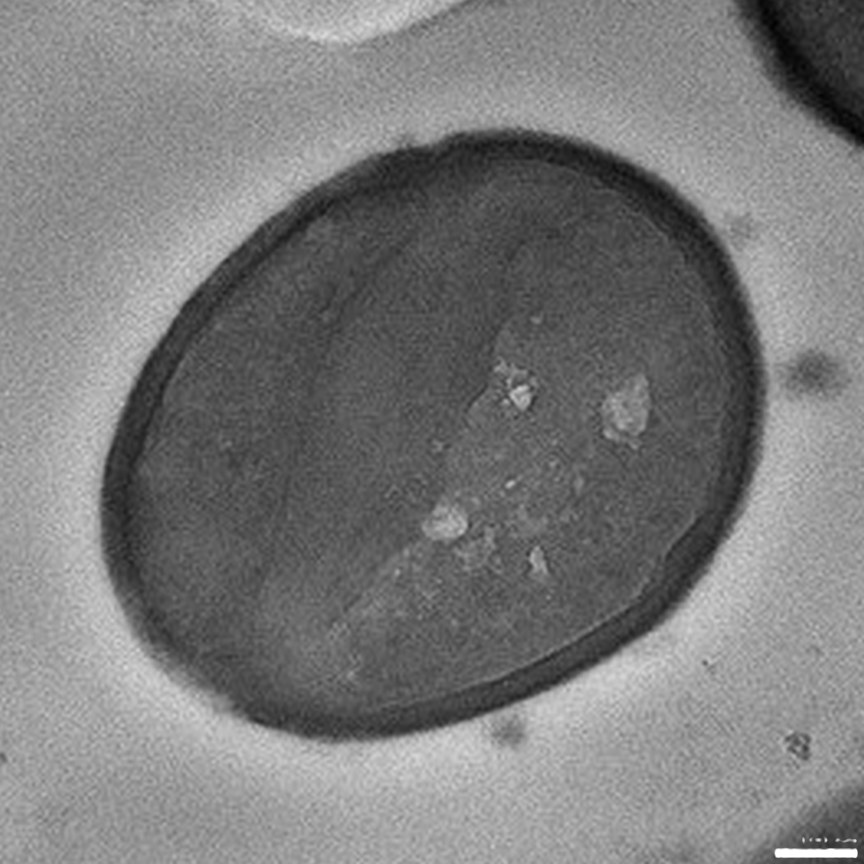 Before
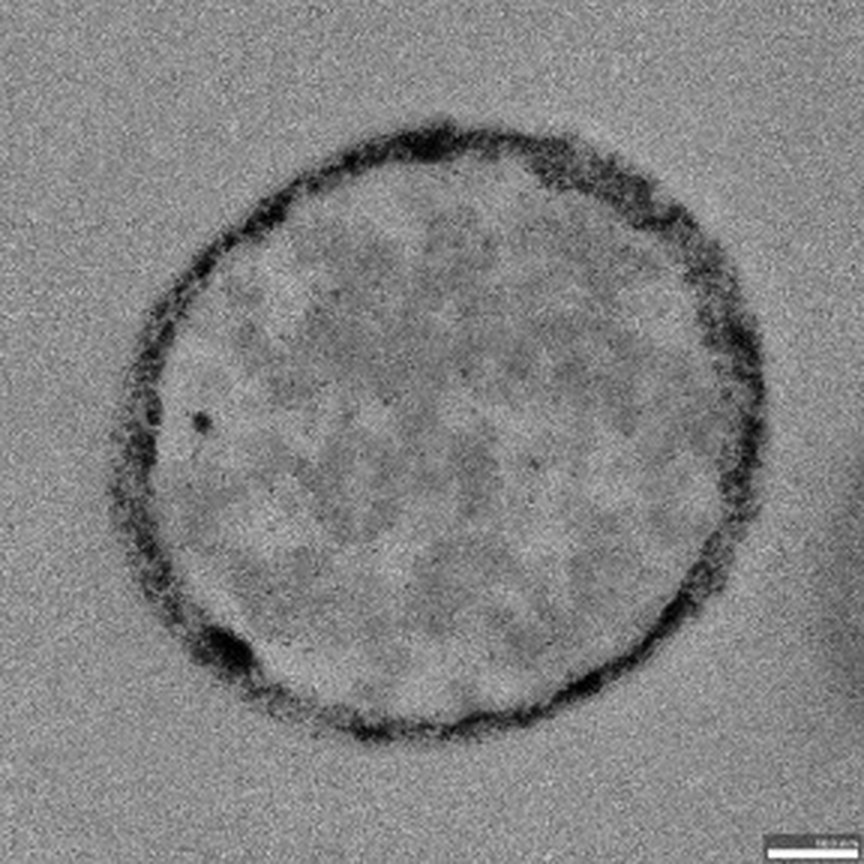 After
Reaches deep. The field passes through the dressing into wound pockets that topical antiseptics do not reach full bioavailability.
Breaks defences. In SEM imaging, exposure to the field disrupts the bacterial cell wall and the surrounding biofilm, the barrier that keeps antimicrobials from reaching the bacteria.
Boost efficacy. Antimicrobials can better penetrate and disrupt biofilms.
Bringing biofilm damage to light
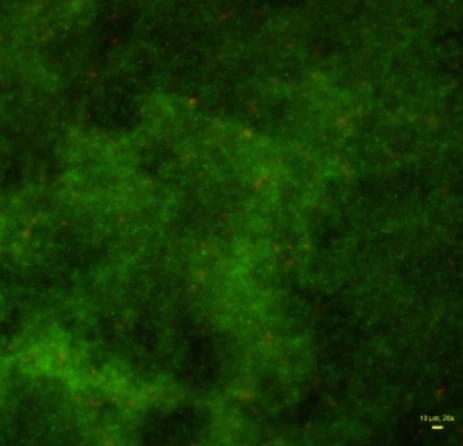
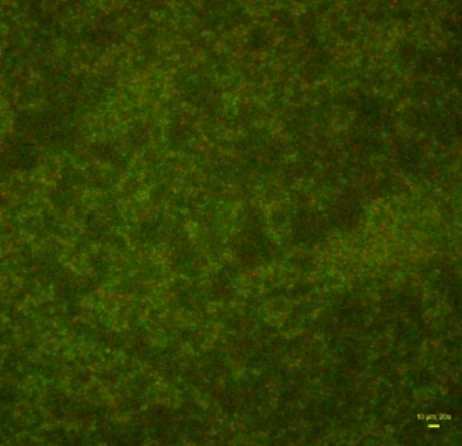
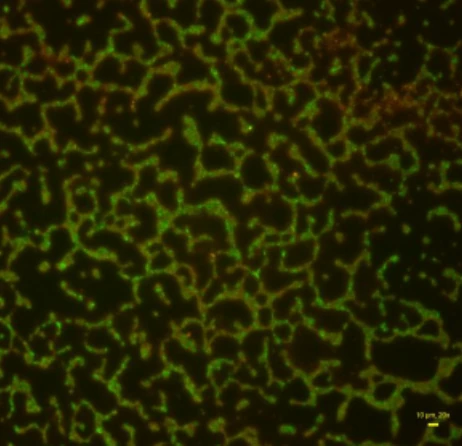
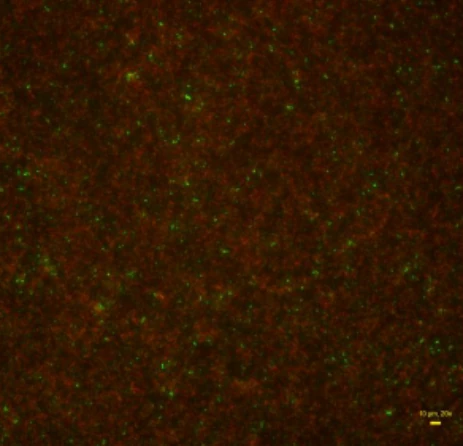
Bacteria form protective biofilms that resist treatment and avoid the body's natural defenses. In preclinical in vitro tests, our magnetic field destabilizes the biofilm and allows established antimicrobials to act on bacteria that biofilm otherwise protects.
P. aeruginosa biofilm and antiseptics
Reviewed by researchers in wound care and antimicrobial resistance
Statements from independent researchers who have reviewed Azyro's preclinical results.
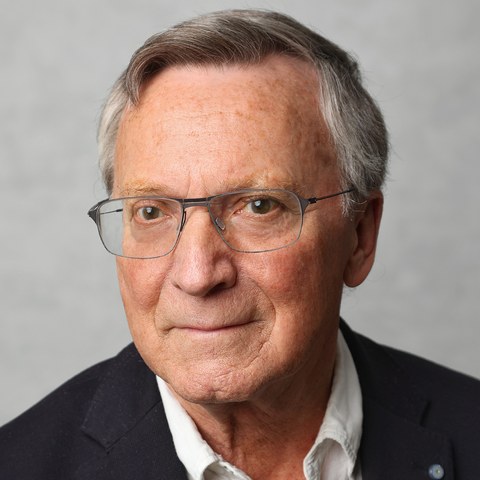
“Azyro’s research results to combat AMR bacteria are amazing. They exceed anything experts thought possible just a few years ago. Azyro has not only achieved a mindblowing scientific breakthrough. They have also managed to translate their research findings into a viable, highly effective treatment system.”
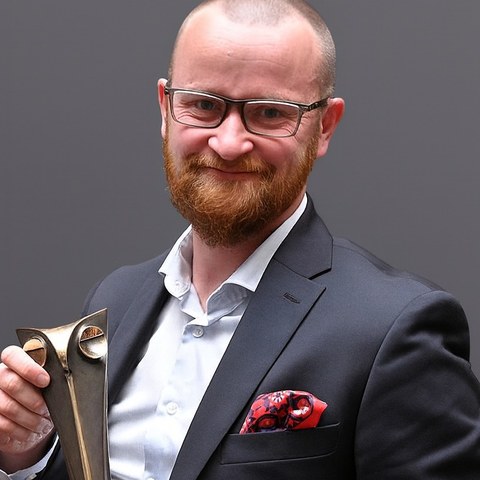
“Modern technologies with antibacterial effects play a pivotal role in preventing infections. Their correct application and development can make the difference between successful wound healing and complications. Azyro has the potential to make that difference.”
Keep exploring
Bring Azyro to your wound-care unit
Azyro develops magnetic-field technology for chronic infected wounds. Our goal is to reduce the infection-driven complications that lead to amputation. We are looking for clinical, distribution and investment partners to get there.